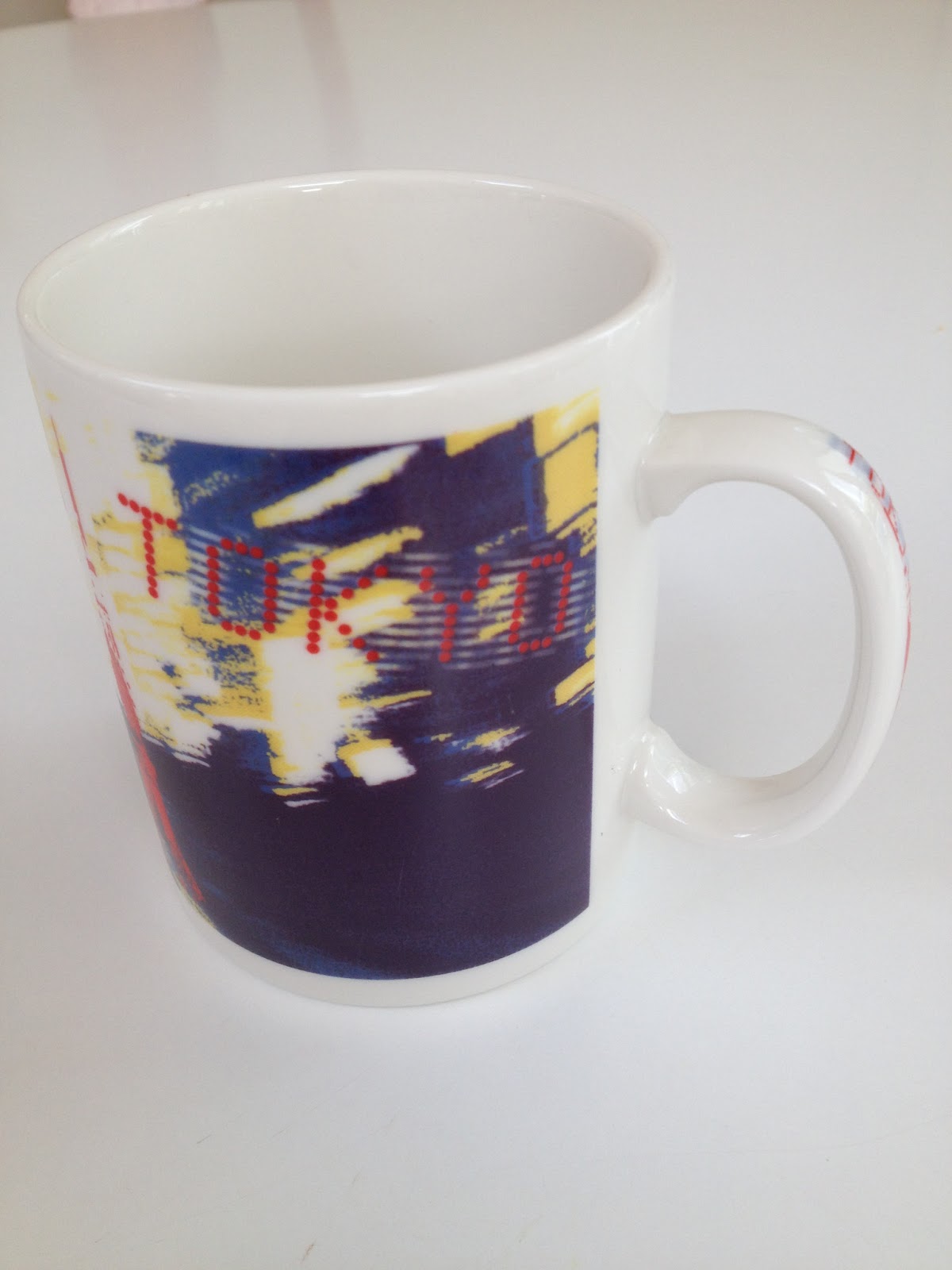
Shopping
in Tokyo
Tokyo offers the most amazing shopping in
possibly the world, because many cultures are represented. You’ll find Western
and Asian merchandise and brands, as well as ancient crafts forms and items
rarely found elsewhere. The wealth of visual stimulation is amazing, as are the
prices. But never mind, we came here to stare at everything. And to learn a
little.
Cultural values are often hidden in the
merchandise. For example, in post-WWII Japan, new and shiny is better, so old
or used merchandise has little value. You can buy such items at temple sales
all over the country. Novelty is important, as is brand name and gift wrap per
presentation. Even a birthday card will be presented with a bow and much
fanfare.
Wacky inventions and gadgets are much
appreciated. In fact, you can buy a book about absurd Japanese inventions. They
may not be absurd to a Japanese person, but to western sensibilities, they may
be hilarious.
Local style may be trend setting or
kitschy—who could guess that this is the home of Hello, Kitty? I’ve been intrigued by those animated hamsters
for years—anime and illustrated novels influence shopping style and merchandise
all over Asia.
Architecture is also an important part of
the Tokyo shopping experience. Many of the stores in Tokyo are mini-museums,
built by the biggest names in international style. Tokyo boutiques tend to be
showcases for both the brand and the architect. (See Omotesando below).
Department stores are very complete; most
have grocery stores as well as many restaurants on premises. They have crafts
departments, souvenir departments and various designer and local brands.
Certainly local culture insists that designer
goods be the real deal, not faux. No one here wants or ever buys a copy bag.
All hail the Vuitton tote… and the Chanel double C’s.
Prices are a little less when you get
outside of Tokyo; condsider shopping at Dollar Stores and temple sales if you
are looking for affordable thrills.
Japanese
Brands
We’re all familiar with the
biggest names in Japanese style and ready to wear since most of them show in
Paris and have stores all over the world—Kenzo, Comme des Garcons, Yohji
Yamamoto, Issey Miyake, etc.
Much of the merchandise I have found
attractive in Tokyo is from brands that do not have distribution outside the
country or are local phenoms. The department stores are a good place to prowl
for new favorites.
Please note that Harajuku Lovers is a U.S.
brand.
Tokyo
Shopping Neighborhoods
(in
alphabetical order)
Akihabara:
This is the electronics district of Tokyo, it is also the home of many manga
shops and even the infamous ‘maid cafes’. There are plenty of places to eat;
you may want to spend a whole day exploring this district, testing gadgets.
This is one of the most crowded parts of Tokyo on weekends.
Asakusa:
Not to be confused with Akasaka, this district is near Ueno and Akhiabara, has
a famous shrine and is included on most official tours of the city. The pathway
to the shrine
(Sensoji Temple) is lined with very cute shops - Nakamise Shopping Street. There are some museums here as well as a chance to get the feel of old Edo.
(Sensoji Temple) is lined with very cute shops - Nakamise Shopping Street. There are some museums here as well as a chance to get the feel of old Edo.
Ginza:
If Tokyo had a ‘downtown’, this would be it for shoppers. Ginza is an
internationally known street address and is home to many department stores and
brand name boutiques. I find the crossroads of the 4-Chome to be the center of
the shopping world; this is sometimes referred to as Yonchome Crossing. It’s
also a five minute walk to the Peninsula Hotel.
 Harajuku:
This popular teen-tween shopping destination has become an icon through brands
such as Harajuku Lovers (a U.S. brand) and exposure to a specific style of
over-dressing that is popularized in the stores here. Like pornography, you’ll
know it when you see it. On week-ends, you’ll see the girls out en masse; ask
if you can take their pictures—they are usually thrilled. The best street in
Tokyo for shopping or browsing or absorbing the culture is Takeshita Dori,
right near Harajuku Station.
Harajuku:
This popular teen-tween shopping destination has become an icon through brands
such as Harajuku Lovers (a U.S. brand) and exposure to a specific style of
over-dressing that is popularized in the stores here. Like pornography, you’ll
know it when you see it. On week-ends, you’ll see the girls out en masse; ask
if you can take their pictures—they are usually thrilled. The best street in
Tokyo for shopping or browsing or absorbing the culture is Takeshita Dori,
right near Harajuku Station.
Kanda: District known for second -hand
books, most of which are in Japanese. A portion of this district is devoted to
second-hand musical instruments.
Kappabashi:
The district that sells cooking utensils as well as wax models of foodstuffs
used in displays in local restaurants.
Omotesando:
Adjacent to Harajuku, this upmarket shopping street has branches of many of the
big name designer boutiques and is often known for the architectural styles of
the stores.
Roppongi: Big designer shopping district
near Akasaka and the diplomatic center of town as well as a district used by
most expats… and known for several museums. There is a shopping development
here called Tokyo Midtown that abuts the subway station—this is just a clever
name, do not think of Roppongi as midtown Tokyo.
Shibuya:
An upmarket area next to Harajuku and Omotesando, known for department stores
as well as the famed statue of a dog who came to the Shibuya Station daily to
wait for his master, not knowing that the master had died.
Shinjuku:
Bright lights, big crowds, many chain stores and lotsa action for young people
and those who buy vinyl at the big music stores. Large and major train station makes this the
center of the world for many; there are numerous hotels in this area as well.
Tsukiji:
Home of the famous fish market; not far from Ginza.
 Ueno:
My motto: ‘Ueno is bueno” – this is a street market and hopping neighborhood
for mostly western goods, after 11AM. There are gardens, cherry blosssoms and
museums here, but I come for the Ameyoko Market, which developed during World
War II.
Ueno:
My motto: ‘Ueno is bueno” – this is a street market and hopping neighborhood
for mostly western goods, after 11AM. There are gardens, cherry blosssoms and
museums here, but I come for the Ameyoko Market, which developed during World
War II.Shopping Hours
Many stores open at 11AM and close at 8 or
9pm; some stores open earlier—but always check or you could be out in the
cherry blossoms. Many people like to arrive at a department store right before
it opens to see the opening ceremonies, which include a lot of people bowing to
you in their cute uniforms.
Shopping on weekends is a national event,
so stores are crowded then.
Must-Do
Shopping Ops of Tokyo
You may be over-whelmed as you contemplate
shopping adventures in Tokyo or you may think that Ginza is the ultimate
shopping destination. Hey, wait! Because this is a city of small towns, you can
easily handle it all with a short list of destinations. This is my personal
must-do list:
 ·
Tsukiji Fish Market: There is a rumor that this
market will close and re-locate, but until then make it a point to use jetlag
in your favor and get to this market around 6AM for a look-see and a sushi
breakfast. The famed Tuna Auctions now require a ticket (get in line at 4AM)
but you can walk around and take gobs of photos, eat the most amazing sushi of
your life and shop at a few stalls that sell fishy souvenirs. Don’t make the
mistake that we did... Check before you leave the hotel to make sure it isn’t a
Japanese holiday. The market could be closed.
·
Tsukiji Fish Market: There is a rumor that this
market will close and re-locate, but until then make it a point to use jetlag
in your favor and get to this market around 6AM for a look-see and a sushi
breakfast. The famed Tuna Auctions now require a ticket (get in line at 4AM)
but you can walk around and take gobs of photos, eat the most amazing sushi of
your life and shop at a few stalls that sell fishy souvenirs. Don’t make the
mistake that we did... Check before you leave the hotel to make sure it isn’t a
Japanese holiday. The market could be closed.
·
Ginza 4: This is the heart of Ginza, the crossroads of
various department stores and local chains. If you walk toward the 1 chome you
can find Itoya, a must- see craft and papergoods store; on the far side of the
4-chome crossroads there’s a Uniqlo; don’t miss the department stores here as
well—they’re great for local goods/brands and for lunch. Look at the Wako Clock
Tower to know where you are—Wako is the Bergdorf Goodman of Tokyo.
·
Takeshita Dori: The most adorable pedestrian
street through the heart of Harajuku where you can see the small boutiques and
follow a route to the larger trendy stores as well as the high end shopping
portion of Omotesando.
·
Omotesando: Wide avenue with designer
shops on both sides – a good place to stroll to enjoy the architecture and
window shopping of an upscale Tokyo neighborhood. I like to come on Sundays.
Note that most stores here open at 11AM.
·
Takashimaya Shinjuku: This is a nice department
store made nicer by the fact that within the same building, there is a branch
of Tokyu Hands, a crafts and gadgets and novelty and gifts store.
·
Ueno/Ameyoko: This street market is dull
and boring in the mornings, so get here around lunch time for a look at real
people doing their shopping. Walk in the pedestrian lanes and visit the stalls
and small shops for foodstuffs, souvenirs, trendy gifts and much Hello Kitty
merchandise. There are a couple of shops devoted to vintage Louis Vuitton bags. Prices for new LV bags have risen about 13% in recent months, so "vintage" has never made more sense.

Local
Heroes
Oriental Bazaar
9
Jingumae 5-chome, Shibuya-ku, Closed Thursday
This store has changed a lot since I have
been shopping here, but you’ll find it a somewhat modern version of a TT
(tourist trap) that sells everything from kimonos to woodblocks to fancy souvenirs.
Come here on your stroll around the ‘hood; this is near Harajuku. I bought some
small bonsai growing kits for gifts.
Hayashi Kimono
International Arcade, 2-1-1 Yurakucho, Chiyoda-ku
One of the most famous kimono dealers in
Tokyo, with kimono for both men and women. Much of the merchandise is touristy;
I didn’t see anything to swoon for, but this is a good source for basics.
I usually buy kimono in Kyoto or at the
street vendor near Harajuku who hangs out on Sundays at the corner of
Meiji-Dori and Omotesando; my budget for a used kimono is $25. I once got a
great kimono in the used kimono department of one of the famous Ginza
department stores; all department stores have kimono departments.
Shibuya 109
This
is is an entire building of in the mode shops, particularly popular with local
teens and tweens. There are actually two different buildings, the second one is
called 109-2. There are restaurants on the 8th floor.

Uniqlo
Branches
all over town and in some department stores, also note Ginza 5-7-7. There’s a
branch at Narita in Terminal 1, 4th floor.
Prices are lower in Japan than many places
in the world, but this brand is known for offering fashion values. This is
something like The Gap of Japan, but the brand has international scope. Their
thermal line is soft and cuddly and perfect for layering in wintertime. The
brand is expanding into the US with locations in New York and San Francisco.
Tokyu Hands
12-18
Udagawa-cho, Shibuya-ku
This
is one of my favorite stores in all of Japan, although note that the various
branches are different. The original flagship (address above) is the best one,
but the one in Shinjuku is easy to get to and modern and new. The store is a
department store of color and gadgets and fun merchandise that you’ve probably
never seen elsewhere. I also like the location of the flagship in Shibuya; you
can stroll around a little bit and also grab a burger nearby at Freshness
Burger.
Snack
& Shop
Grabbing s bite while you’re
out shopping is never hard in Japan, although sticking to an under $10 for
lunch budget can be a challenge. We sometimes get prepared foods from the
department stores that have incredible grocery stores and eat a picnic; there’s
also plenty of fast food around. Noodle shops sometimes have a touchscreen
outside; make your selection, grab the ticket and go inside. Your order will be
served within minutes.
Most department stores have restaurants
and/or food courts. If you can’t read the menu, remember that most restaurants
have plastic models of the food…or you can point to what someone else is
eating.
Next stop: Kyoto
Next stop: Kyoto